Inspection Service Lines
Specialized evaluation services tailored to different property types and assessment objectives.
Residential Property Inspections
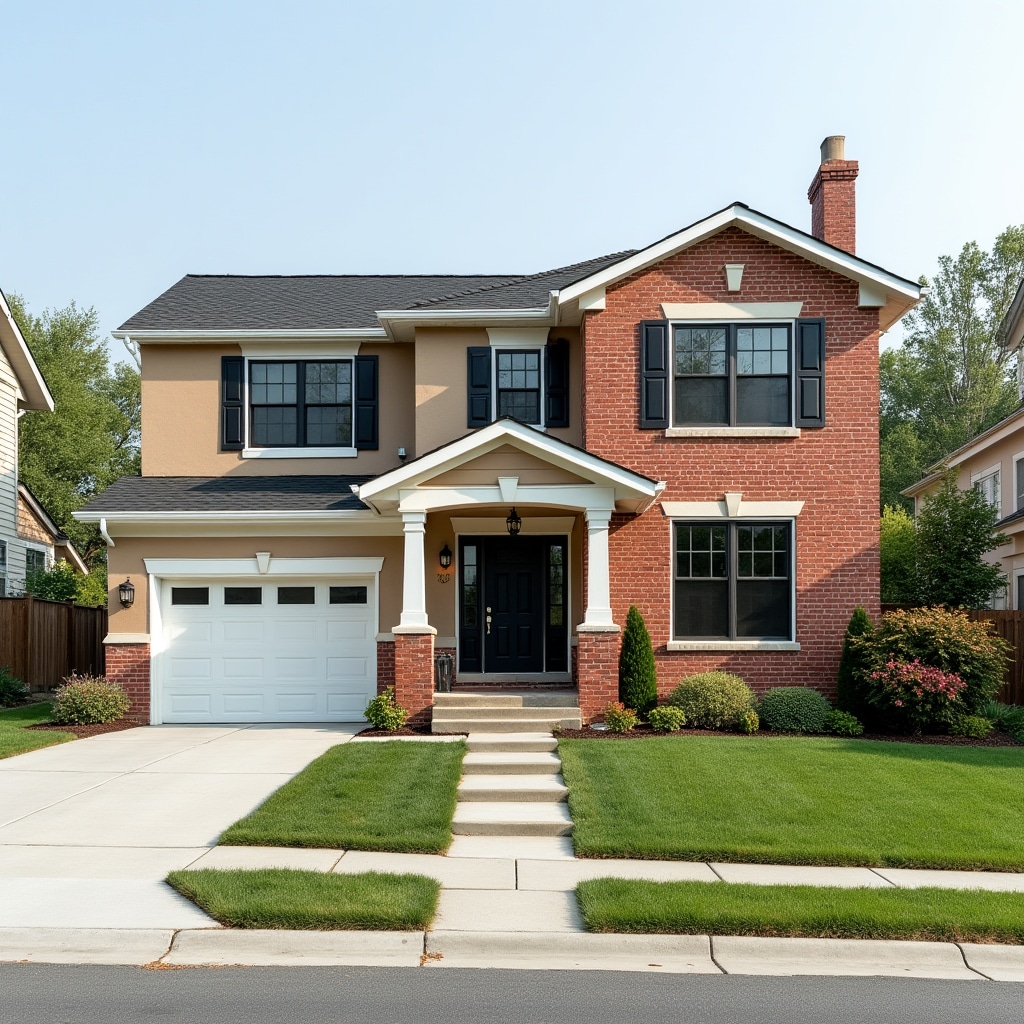
Residential inspections examine single-family homes, townhouses, condominiums, and multi-family properties to document their current condition. These evaluations cover the major systems and components that affect habitability, safety, and functionality.
The inspection includes examination of the foundation and structural elements, roof covering and drainage systems, exterior walls and weatherproofing, windows and doors, electrical service and distribution, plumbing systems and fixtures, heating and cooling equipment, and interior finishes and built-in components.
Residential inspections help buyers understand what they are purchasing and identify items that may require attention. Property owners use these evaluations to plan maintenance and understand the condition of their investment.
Commercial Building Assessments
Commercial property evaluations address the unique requirements of office buildings, retail spaces, warehouses, and mixed-use properties. These inspections consider the specific systems and components relevant to commercial operations.
Commercial assessments examine structural systems designed for heavier loads, commercial-grade electrical and mechanical equipment, accessibility features and code compliance considerations, fire protection and life safety systems, and parking areas and site infrastructure.
The evaluation documents observable conditions and identifies areas that may warrant further investigation by specialized professionals. Commercial property inspections help investors and owners understand the physical condition of their assets.

New Construction Inspections
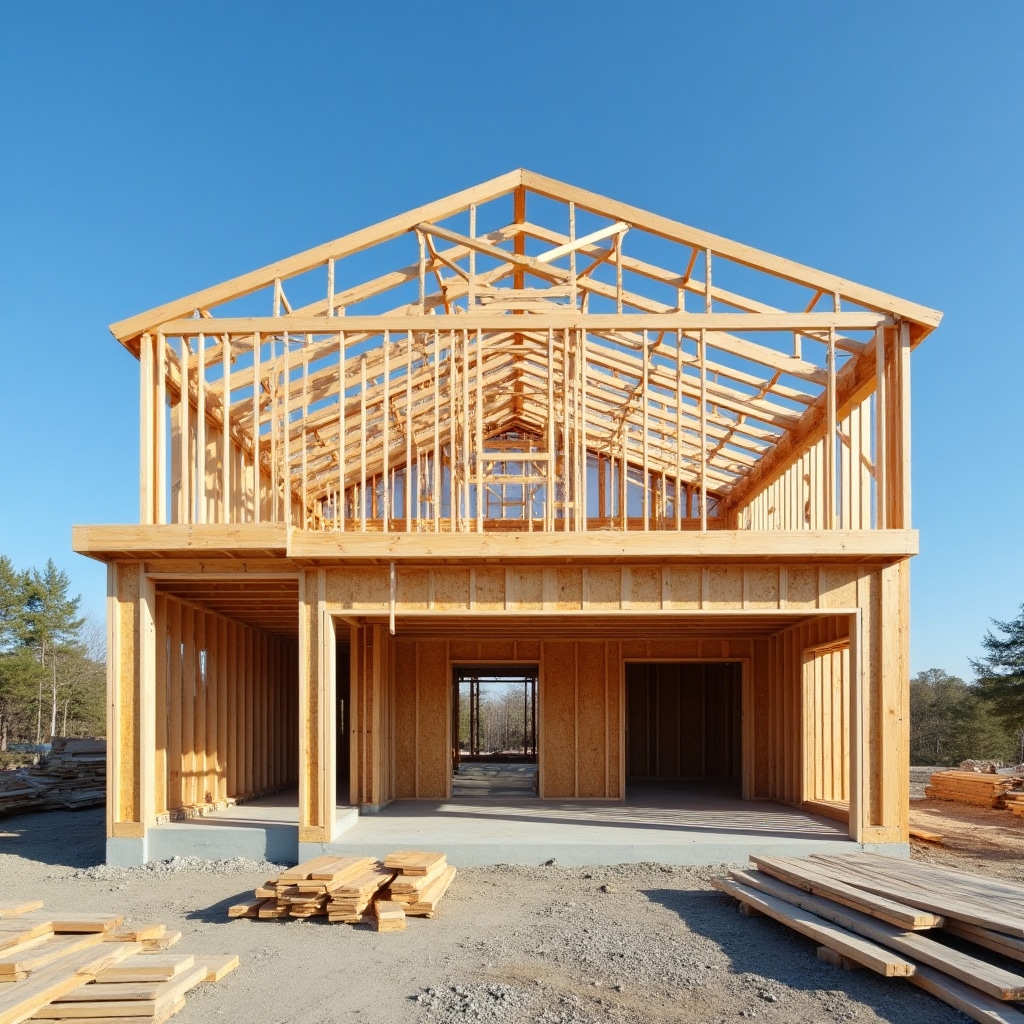
New construction inspections occur at various stages during the building process to verify work quality and compliance with approved plans. These phase-based evaluations help identify issues while they can still be addressed efficiently.
Common inspection phases include foundation and framing stages, rough-in of electrical and plumbing systems, insulation and weatherproofing installation, and final completion before closing. Each phase examines the work completed to that point.
These inspections document the construction process and help ensure that work meets expected standards. They provide an additional layer of quality verification during the building process.
Specialized Inspection Areas
Focused evaluations of specific building systems and components.
Foundation and Structure
Examination of foundation walls, floor systems, load-bearing walls, roof framing, and visible structural components. We look for signs of movement, deterioration, or damage that may affect structural integrity.
Roofing Systems
Assessment of roof covering materials, flashing details, drainage systems, and ventilation. The inspection documents the condition of visible roofing components and identifies areas of concern.
Electrical Systems
Review of service capacity, panel condition, wiring methods, outlet and fixture installation, and grounding systems. We test accessible components and document visible electrical conditions.
Plumbing Infrastructure
Evaluation of water supply systems, drain and waste piping, fixtures and appliances, water heating equipment, and visible plumbing connections. We operate fixtures and document observed conditions.
HVAC Systems
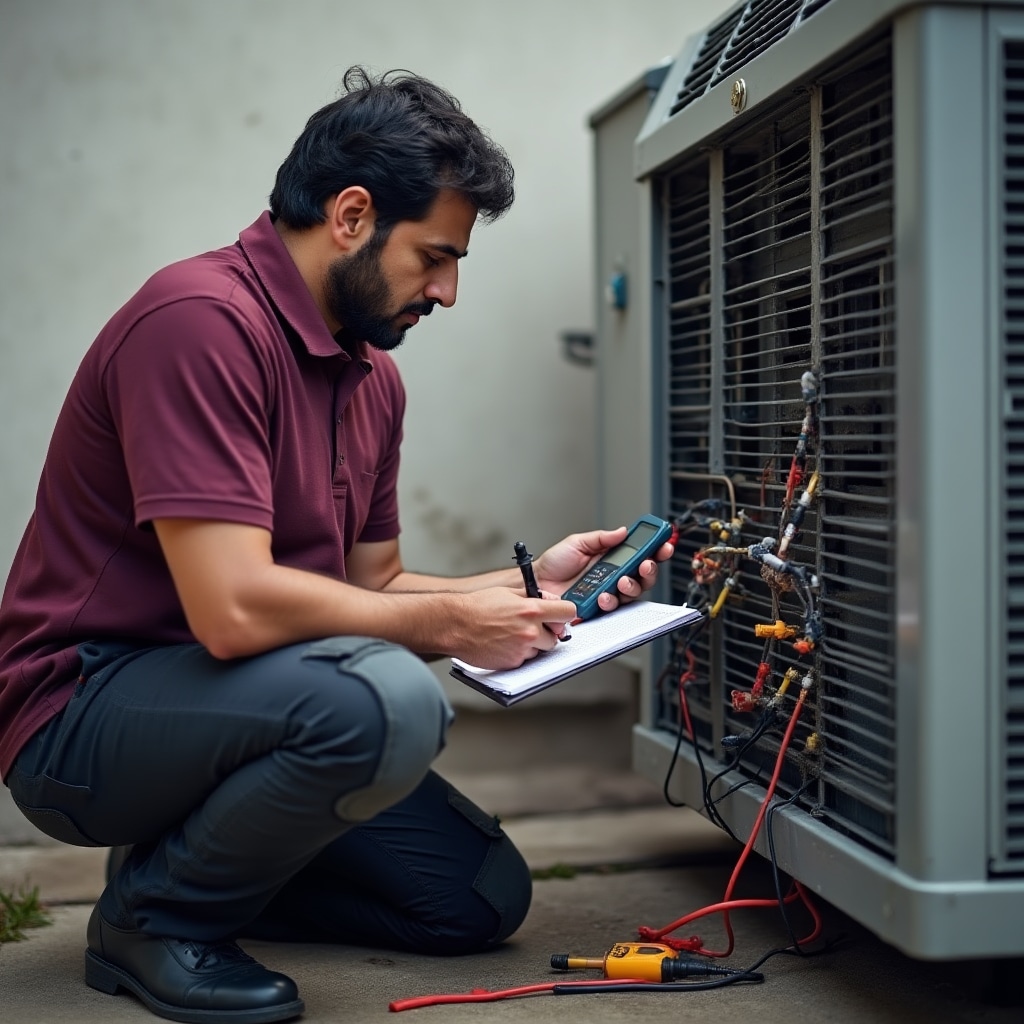
Inspection of heating and cooling equipment, ductwork and distribution systems, thermostats and controls, and ventilation components. We operate systems and assess their current condition.
Building Envelope
Assessment of exterior walls, windows, doors, weatherproofing details, and moisture management systems. We examine how the building envelope protects against weather and environmental conditions.
Pre-Listing Property Evaluations
Property owners preparing to sell may request an inspection before listing to understand the condition of their property. This advance knowledge helps sellers address issues proactively or price the property appropriately.
A pre-listing inspection follows the same systematic approach as a buyer's inspection, examining all major systems and components. The resulting report provides sellers with information about observable conditions that potential buyers might identify.
This proactive approach allows sellers to make informed decisions about repairs or disclosures. It can help facilitate smoother transactions by addressing condition questions early in the sales process.

Maintenance and Condition Assessments
Property owners may schedule periodic inspections to monitor building condition and identify maintenance needs. These regular evaluations help extend the life of building systems and prevent minor issues from becoming major problems.
Maintenance inspections document the current state of building components and note items that may require attention. This information helps owners plan for future maintenance expenses and prioritize repairs.
Regular condition assessments are particularly valuable for investment properties, rental units, and buildings with aging systems. They provide ongoing documentation of property condition over time.
Find the Right Inspection Service
Contact us to discuss which inspection service fits your property evaluation needs.
Get Started