Our Approach to Property Inspection
A systematic methodology that combines observation, documentation, and clear communication to help you understand property conditions.
Methodical Visual Examination
Property inspection begins with systematic visual examination of accessible areas and components. Inspectors observe the condition of structural elements, building systems, and finishes to identify visible defects, damage, or signs of deterioration.
This process involves walking through the property following a consistent pattern to ensure comprehensive coverage. We examine both interior and exterior areas, looking at how different components interact and function together as a complete system.
Visual inspection reveals conditions that are present at the time of the examination. The goal is to document what can be observed without invasive testing or disassembly of building components.
Specialized Tools and Equipment
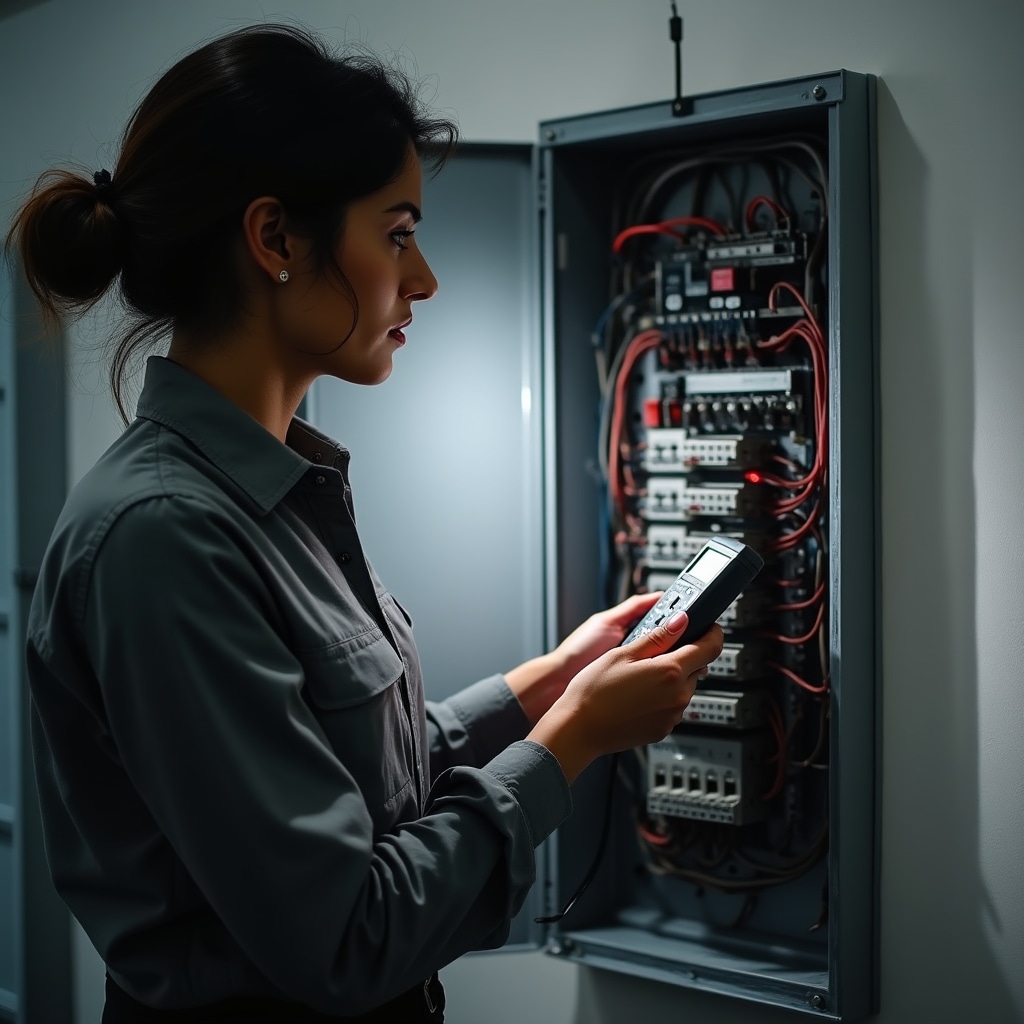
While visual observation forms the foundation of property inspection, we use various tools to enhance our ability to detect and document conditions. These instruments help reveal issues that might not be immediately visible to the naked eye.
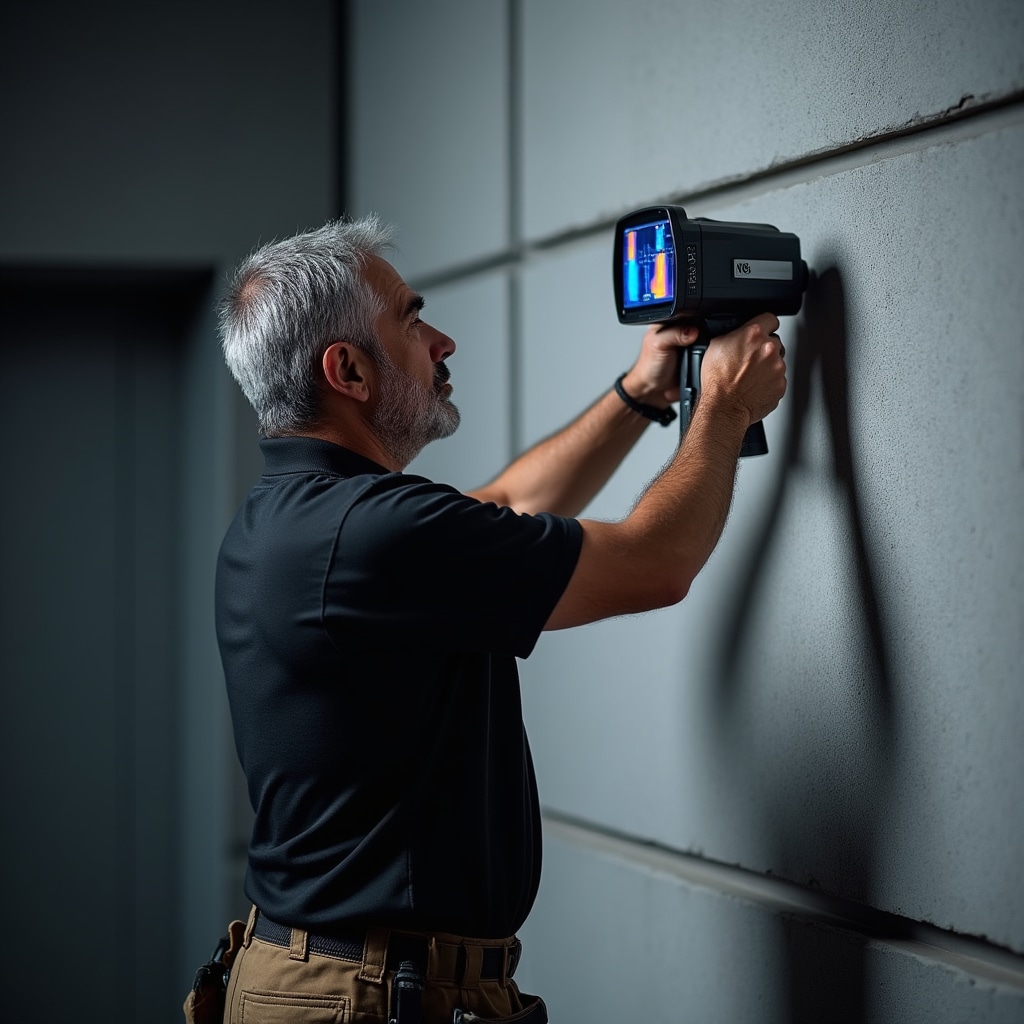
Moisture meters detect elevated moisture levels in walls, ceilings, and floors that could indicate leaks or water intrusion. Thermal imaging cameras can identify temperature differences that suggest insulation gaps, air leaks, or moisture problems. Electrical testers verify proper wiring and grounding at outlets and fixtures.
These tools provide additional data points that complement visual observations and help create a more complete picture of the property's condition.
Component-by-Component Review
Each inspection follows a structured approach that examines major building systems and components individually. This methodical process ensures nothing is overlooked and creates a consistent framework for evaluation across different properties.
The inspection covers structural elements including foundations, framing, and roof structure. Building systems such as electrical, plumbing, and HVAC are operated and examined for proper function. The building envelope including roofing, siding, windows, and doors is assessed for condition and weatherproofing.
Interior spaces are reviewed for visible defects in walls, ceilings, floors, and built-in components. This comprehensive approach provides a thorough understanding of the property's overall condition.

Inspection Principles
The core principles that guide our evaluation process and ensure consistent, thorough assessments.
Observable Conditions
We document conditions that are visible and accessible at the time of inspection. Our observations describe what can be seen without moving stored items, furniture, or performing destructive testing.
Point-in-Time Assessment
Inspections capture the property's condition on a specific date. Building conditions can change over time due to weather, use, and aging. The inspection provides a snapshot of observable conditions at that moment.
Systematic Documentation
We follow consistent procedures to examine each property component. This systematic approach ensures thorough coverage and creates reliable documentation that can be reviewed and referenced.
Photographic Evidence
Photographs document significant findings and help illustrate conditions described in the written report. Images provide visual reference that complements written descriptions and observations.
Clear Communication
Reports use straightforward language to describe observed conditions. Technical terms are explained when necessary. The goal is to help readers understand the property's condition without requiring specialized knowledge.
Objective Observation
Inspectors document what they observe without making value judgments. The report describes conditions and may note areas that warrant attention or further evaluation by appropriate specialists.
Limitations of Visual Inspection
Property inspection has inherent limitations that are important to understand. Inspectors examine accessible areas and visible components, but cannot see inside walls, beneath floors, or behind finished surfaces without invasive procedures.
Concealed conditions such as hidden structural damage, plumbing leaks within walls, or electrical issues behind panels may not be detectable during a standard visual inspection. Similarly, latent defects that only manifest under certain conditions or over time cannot be identified during a single visit.
When inspectors observe signs that suggest hidden problems or areas of concern, they may recommend further evaluation by specialists with appropriate tools and expertise. This might include structural engineers for foundation concerns, electricians for complex electrical issues, or plumbers for underground drainage systems.
Experience Our Systematic Approach
Schedule an inspection to receive a comprehensive evaluation of your property's condition.
Contact Us